Speech therapy for children — speaking clearly, communicating confidently
Unclear articulation, missing sounds, lisping, stuttering, an open mouth: we practise with your child whatever is currently difficult – playfully and in small steps. Being understood changes how confidently a child dares to speak.
Articulation, lisping, stuttering & myofunctional therapy
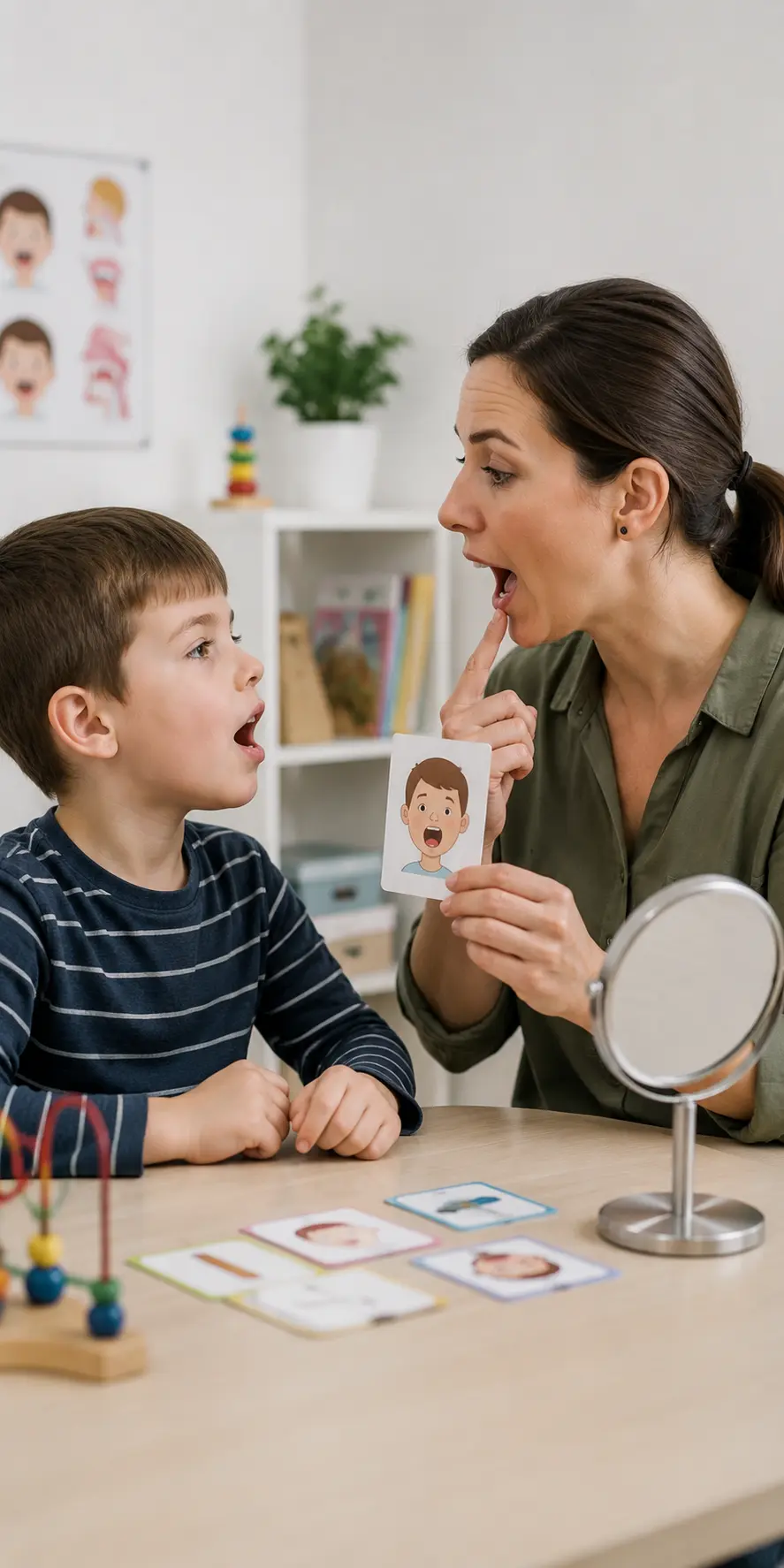
While language therapy deals with content, speech therapy is about execution: how does the word come out of the mouth? Children come to us who cannot form certain sounds, who say “tuh” instead of “kuh”, who lisp, who speak so quickly or unclearly that strangers have to ask again – and children who stutter or avoid words.
Myofunctional therapy is a focus of its own: if the tongue presses against the teeth when swallowing, if the mouth is permanently open or if your child breathes through the mouth, this affects articulation, tooth position and often also the success of braces. Many children therefore come to us on the recommendation of orthodontists – including after tongue-tie surgery.
And for neurologically caused speech disorders (dysarthria in cerebral palsy, SMA or muscular dystrophy), Sarah Schrott BSc works with targeted articulation, breathing and voice training – the same building blocks, only more intensive.
Speaking intelligibly means being heard – and that changes a child's self-confidence.
Speech therapy — what we work on
From individual sounds to tongue function – individual and targeted.
Articulation & sound formation
Missing or substituted sounds, lisping (sigmatism), unclear speech – we build up sound by sound until strangers understand your child.
Breath support & breath coordination
Speaking needs breath — we train breathing technique for longer and stronger utterances.
Voice & voice quality
Improving vocal strength, tone quality and vocal stamina.
Stuttering & fluency
Repetitions, blocks, cluttering: regulating pace, taking the pressure off, speaking more fluently – with guidance for parents on how to respond at home.
Myofunctional therapy
Tongue position, mouth closure, mouth breathing, tongue exercises – important for clear articulation, tooth position and the success of braces. Also after tongue-tie surgery.
Intensive speech therapy
Daily speech therapy — for a noticeable improvement in how well your child is understood.
These modern devices and methods are waiting for you
In speech therapy we work with established methods that help children speak more clearly and more confidently — with enjoyment and motivation.
Atemstütze & Stimmübungen
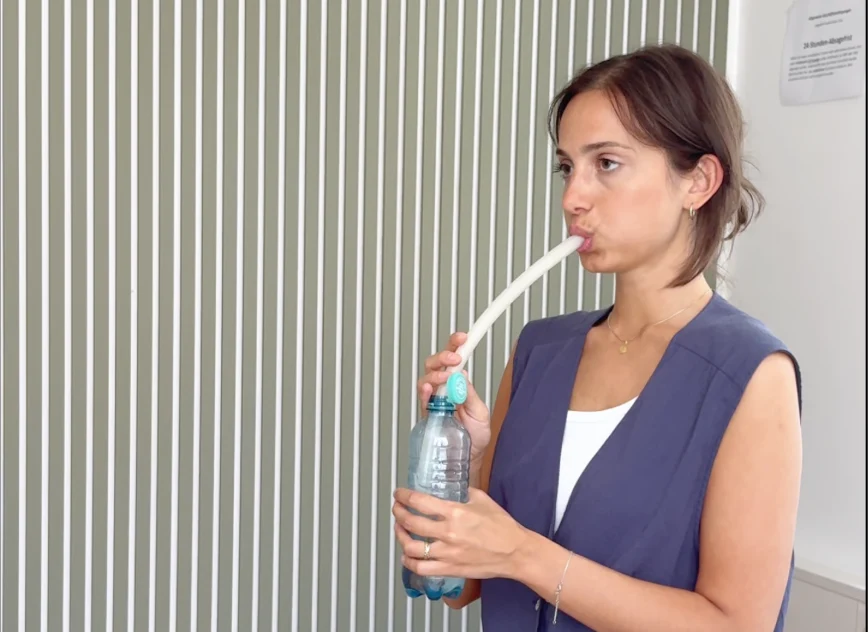
Eine gut gestützte Atmung ist die Grundlage klarer Sprache – Atemübungen werden als Blas- und Pustespiele gestaltet, die Kinder begeistern und gleichzeitig therapeutisch wirksam sind.
MODAK – Modalitätenaktivierung
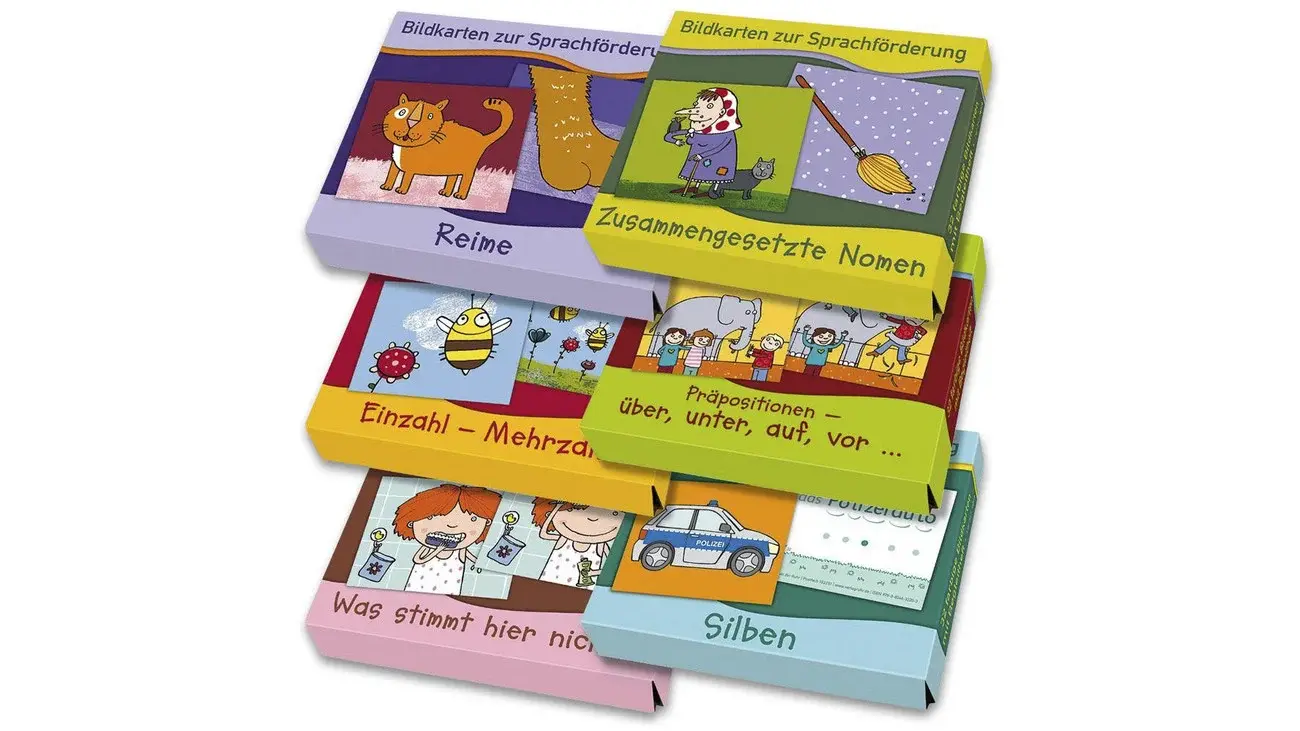
MODAK ist eine bewährte Methode der Sprachtherapie die verschiedene Kommunikationskanäle gleichzeitig aktiviert – Sprechen, Zeigen, Hören und Sehen. Für Kinder wird MODAK spielerisch eingesetzt: mit Bildkarten, Handlungen und altersgerechten Aufgaben die Lautbildung und Sprachverständnis gemeinsam fördern.
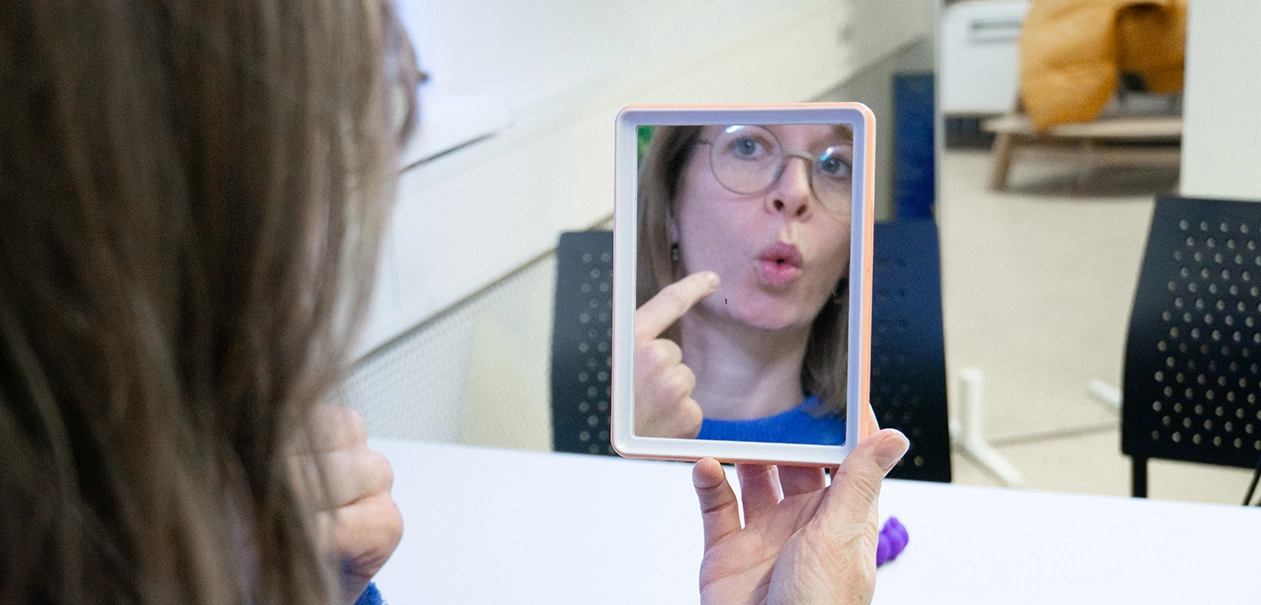
Artikulationstraining
Gezielte Übungen für Lippen, Zunge und Kiefer verbessern die Lautbildung Ihres Kindes – eingebettet in Reime, Zungenbrecher und spielerische Aufgaben die Kinder motivieren.
Specialised. Experienced. Here for you.
When speech is hard to understand, we work specifically on clarity, rhythm and sound formation. With playful exercises, songs and repetition we train the motor side of speaking. Intensive, structured therapy is particularly effective in improving how well a child is understood. Your child experiences how they can speak more clearly step by step. Progress is noticed deliberately and celebrated along the way.
Being heard — being understood.
A free initial consultation — with no waiting.
Speaking clearly — feeling confident
Being understood means taking part, expressing yourself and believing in yourself. Sarah Schrott BSc brings both expertise and warmth.
Information session
Get to know us — with no obligation, in person or by phone.
First appointment & assessment
Video analysis and movement tests, then an individual therapy plan.
Your personal therapy
Regular sessions, adjusted as you go, with a closing assessment.
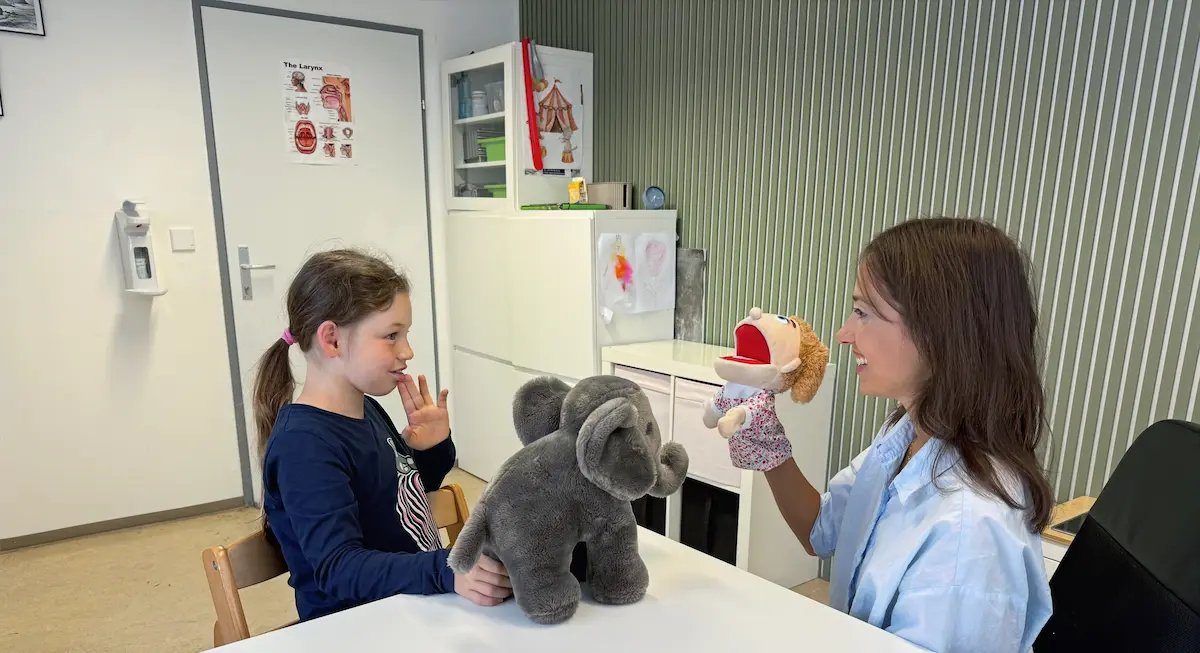
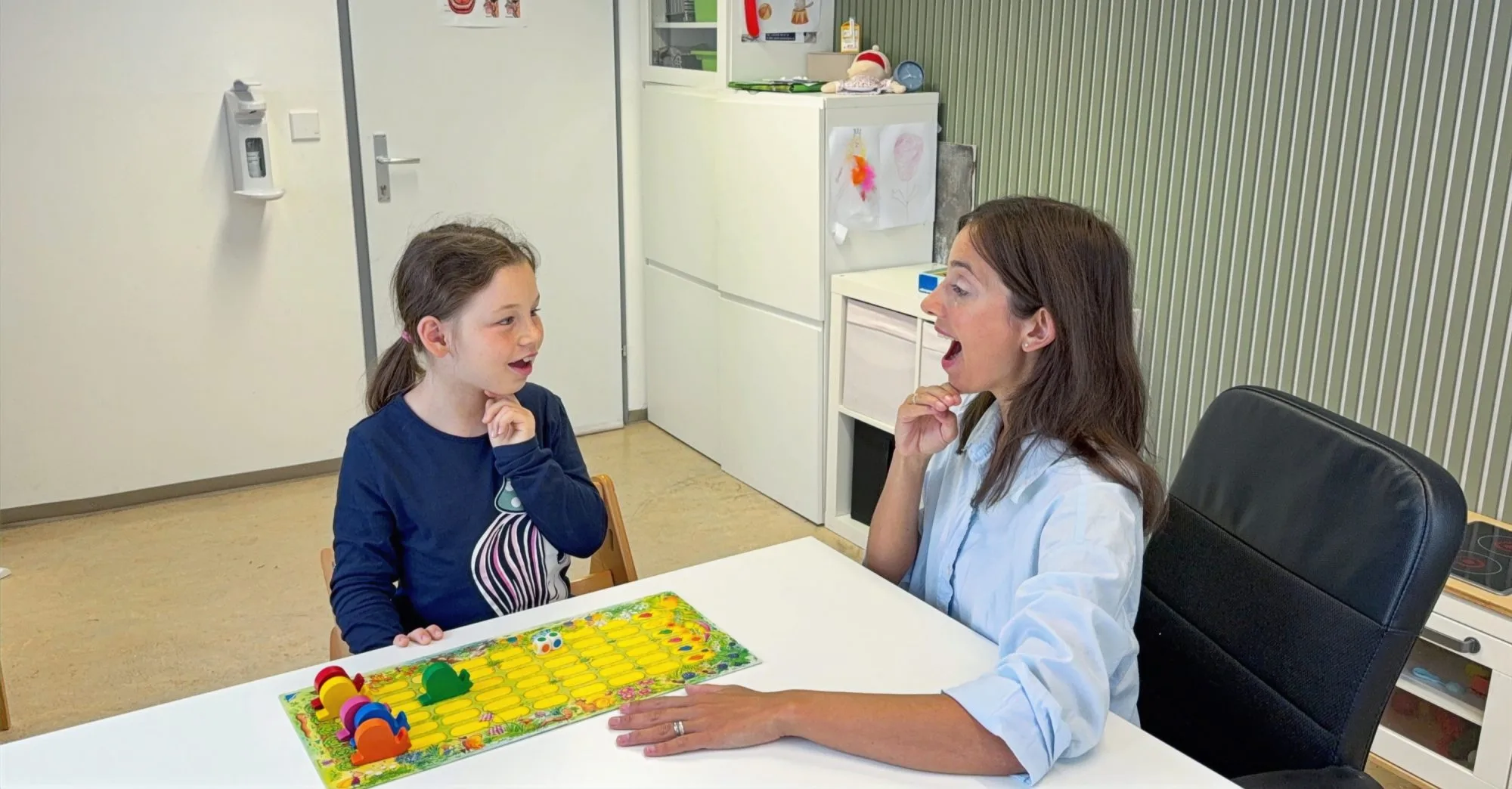
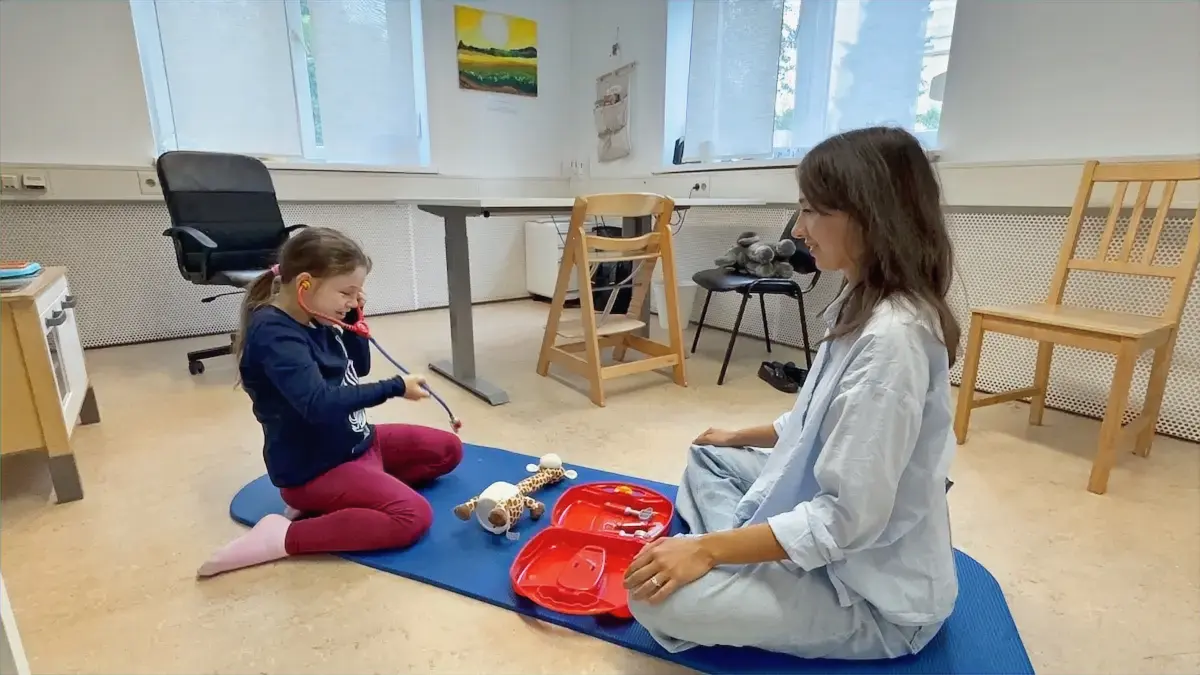
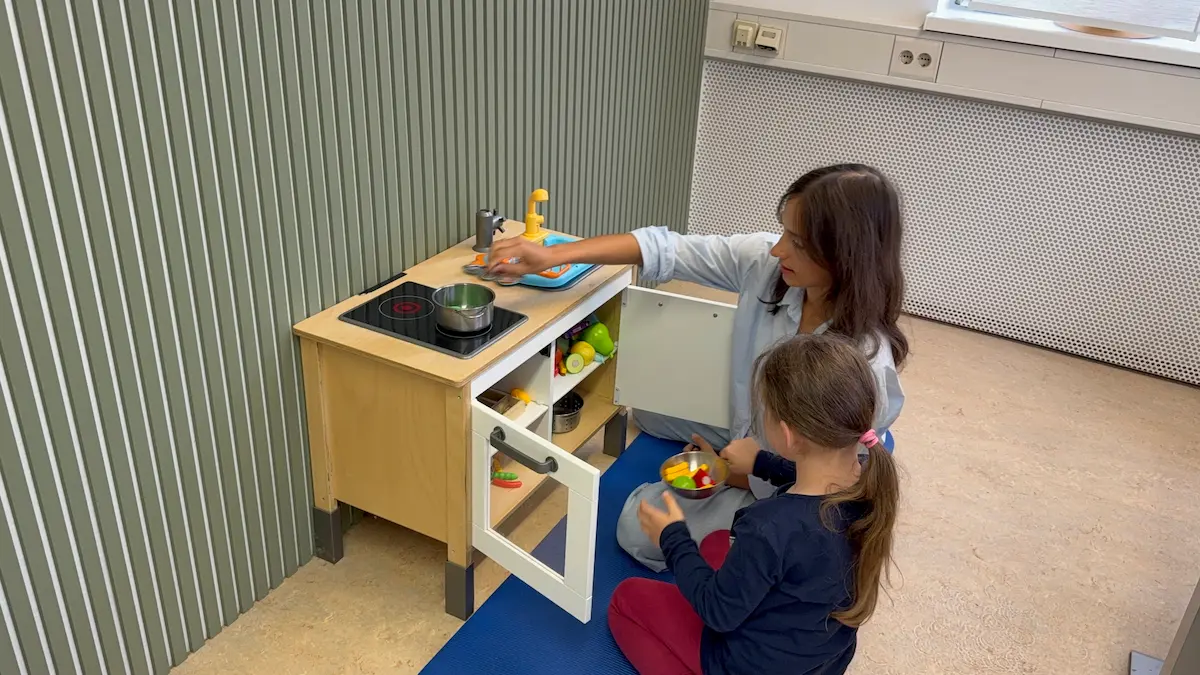
See how we work
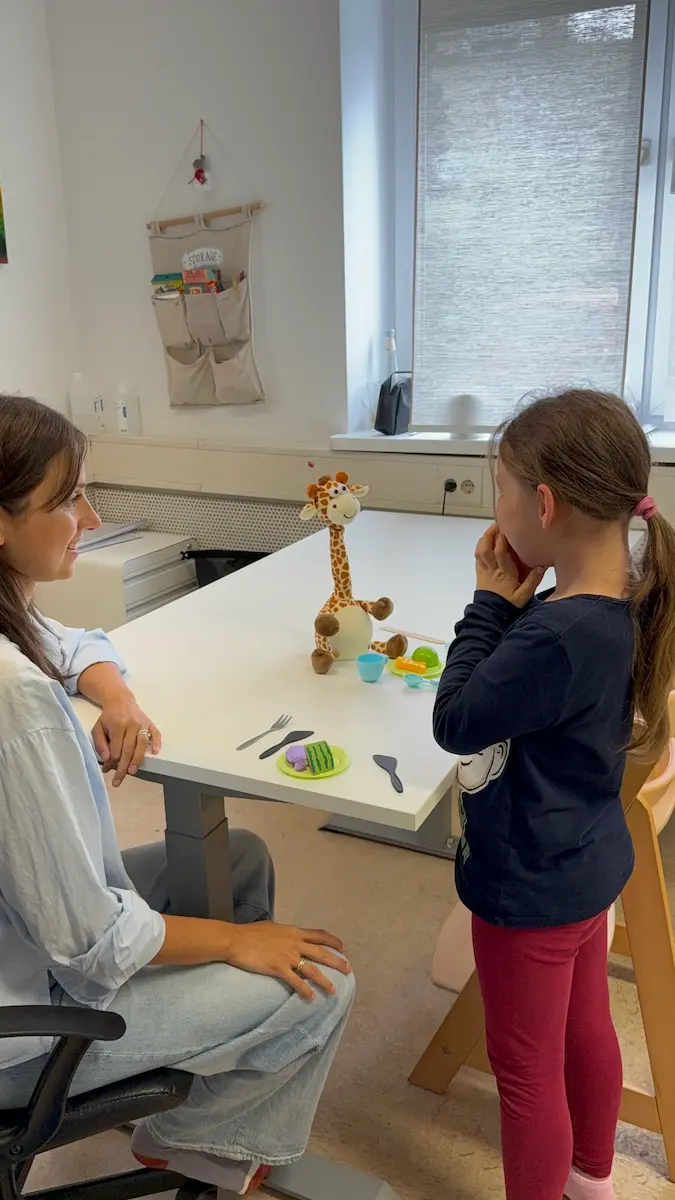
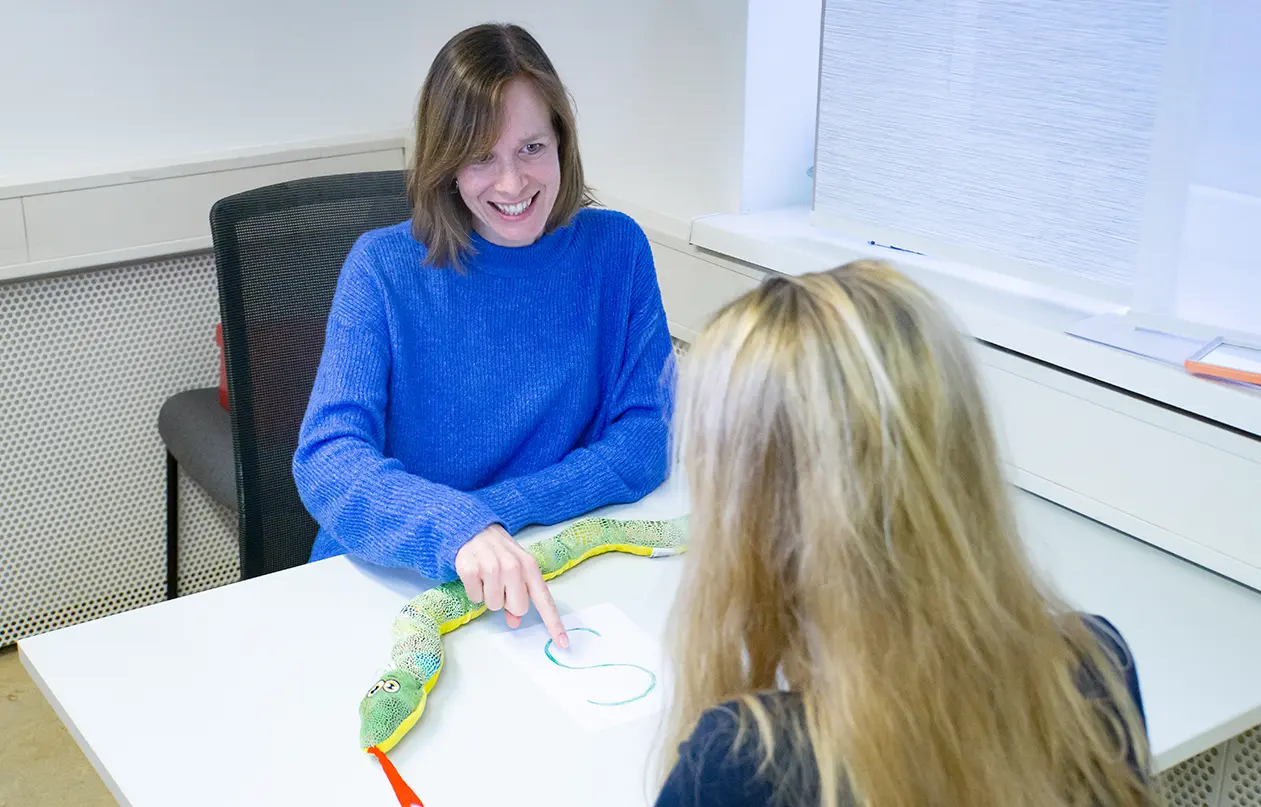
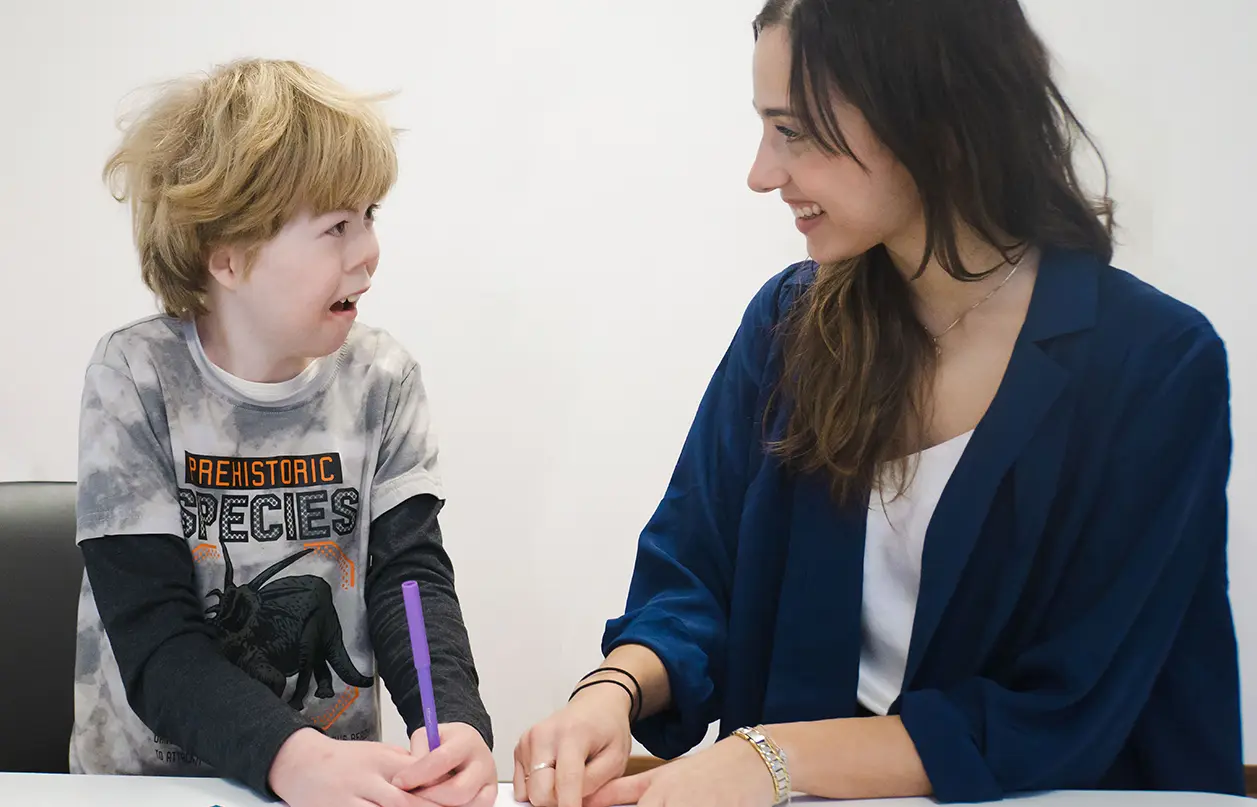
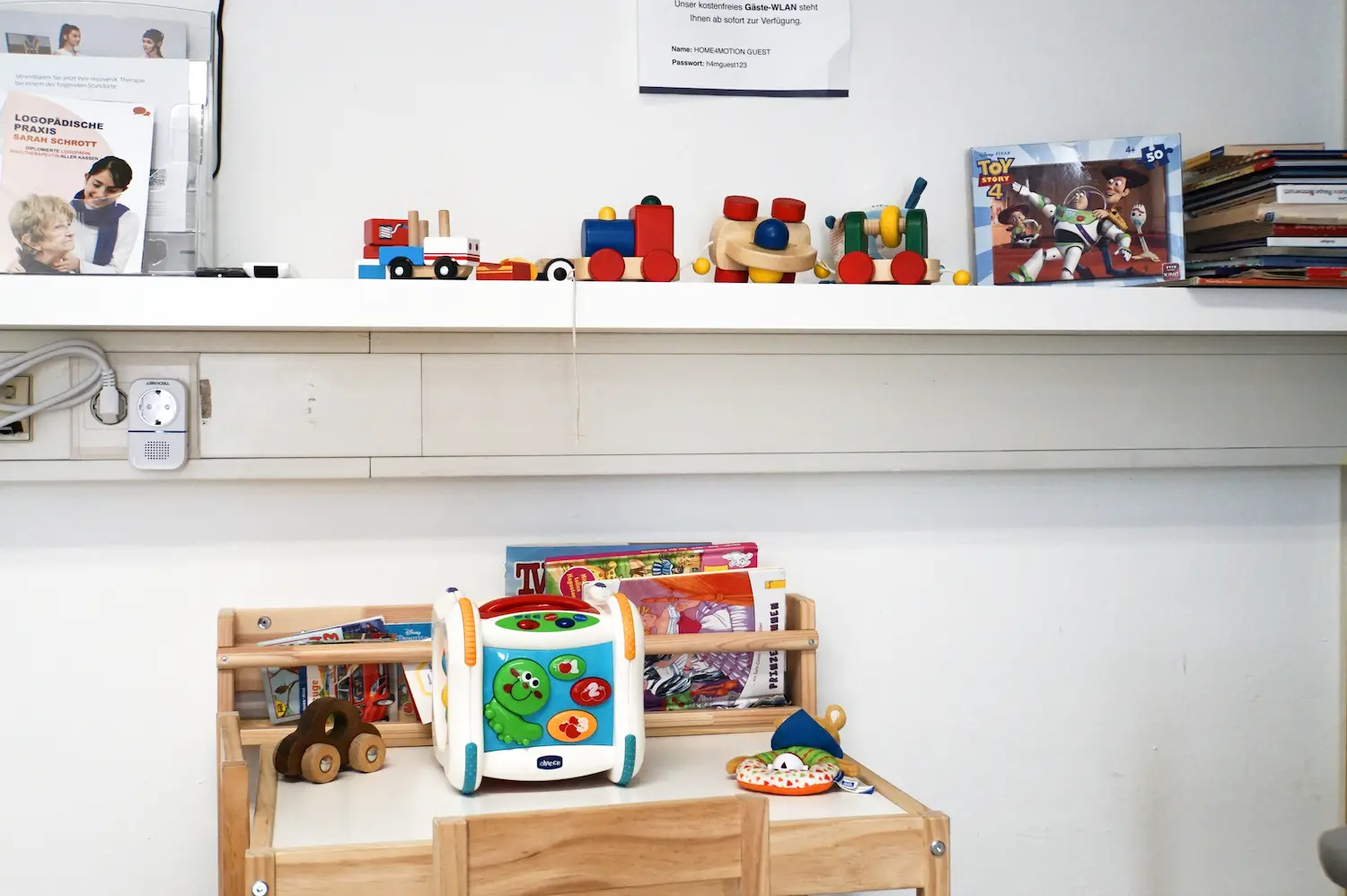
Real moments from our everyday work with children.
Was Sie wissen möchten
Do you have questions?
Get to know us in a free information session — in person, by phone or online.