Language therapy for children – when speech is slow to come
Is your child two and barely speaking? At three, can't find the words, doesn't build sentences or doesn't understand instructions? Language therapy in Graz and Vienna – playful, patient, from around 18 months. No prescription, no waiting list.
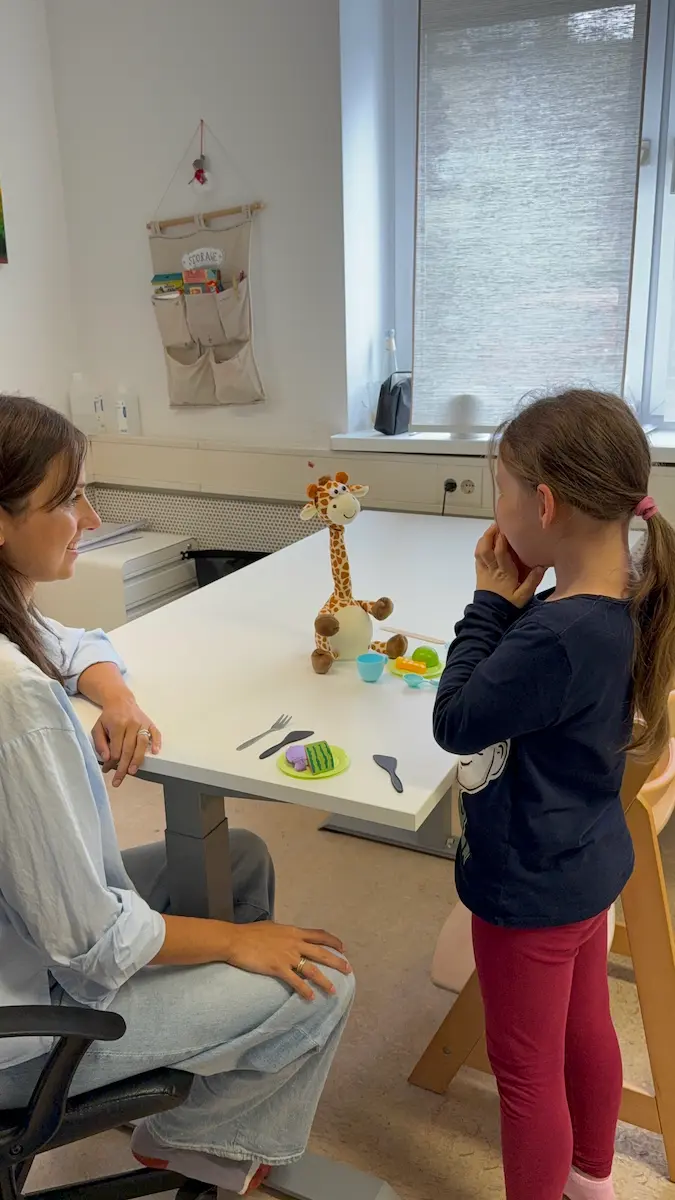
Language therapy that genuinely helps your child
About one in five children speaks noticeably less than their peers at the age of two. Some catch up on their own – some don't. Because there is no way to know this in advance, an assessment is almost always the calmer route than waiting.
Language therapy deals with content: building vocabulary, connecting words into sentences, consolidating grammar, understanding instructions and stories, being able to join in at kindergarten and school. This applies to late talkers just as much as to children with delayed or disordered language development, multilingual children who lag behind in both languages, and children who understand a great deal but say little.
Sarah Schrott BSc works playfully and close to everyday life – and is additionally specialised in children with neurological and muscular conditions (cerebral palsy, Down syndrome, prematurity, traumatic brain injury). This experience helps to recognise early on whether there is more behind the language delay.
Every child has something to say. We help them find the way to say it.
What we build in language
Vocabulary, grammar, comprehension — individual and play-based.
Late talkers & vocabulary
First words, two-word sentences, a growing vocabulary – targeted language support for children from 2 years who are barely speaking yet.
Language comprehension
Understanding instructions, grasping meaning, following stories — the basis for learning at school.
Grammar & sentence building
Building sentences correctly, using tenses, developing more complex language.
Communication skills
Holding a conversation, making yourself understood, taking part socially.
Augmentative communication (AAC)
For children who do not speak yet: signing, picture cards, communication aids.
Intensive speech and language therapy
Daily sessions over 1–3 weeks – ideal for families from further away and for children who need a boost.
These modern devices and methods are waiting for you
In language therapy we rely on effective methods made for children that build language through play and strengthen communication in everyday life.
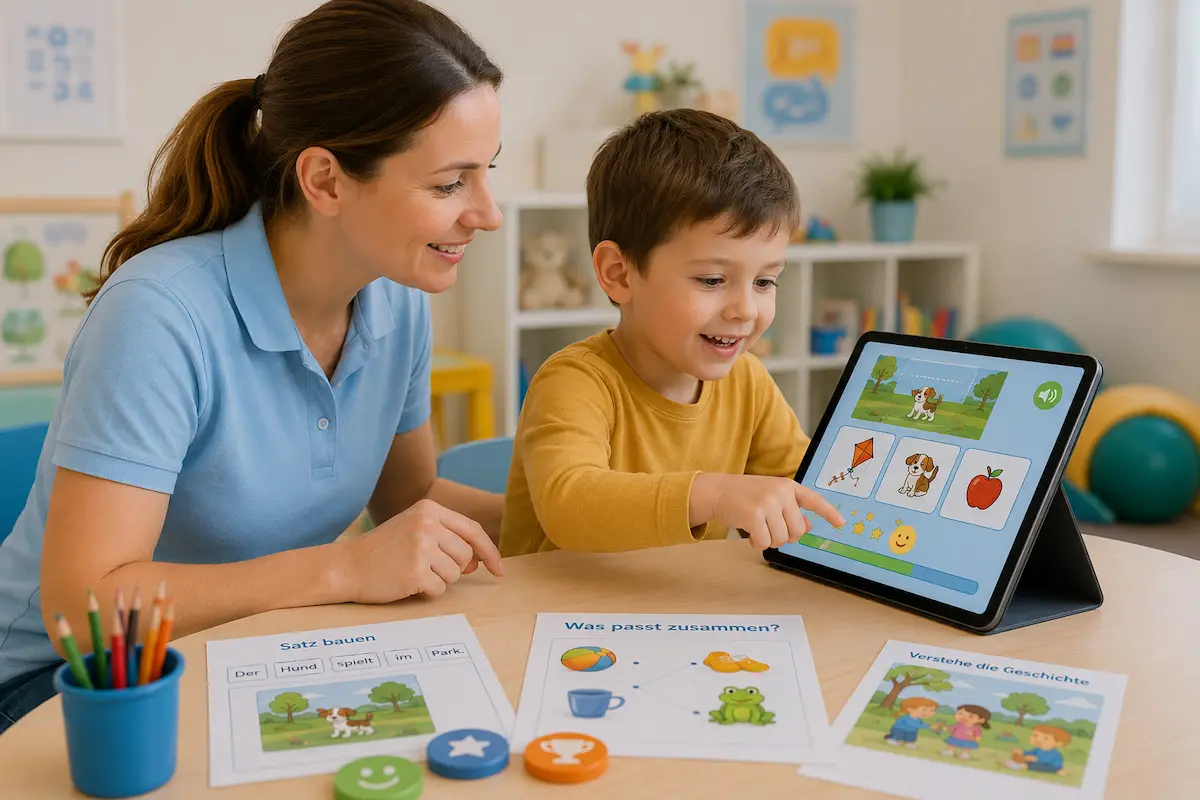
Digitale Sprachprogramme
Interaktive digitale Übungen trainieren Wortschatz, Satzbau und Sprachverständnis – angepasst an Alter und Diagnose Ihres Kindes. Mit sofortigem Feedback und motivierenden Erfolgsmomenten.
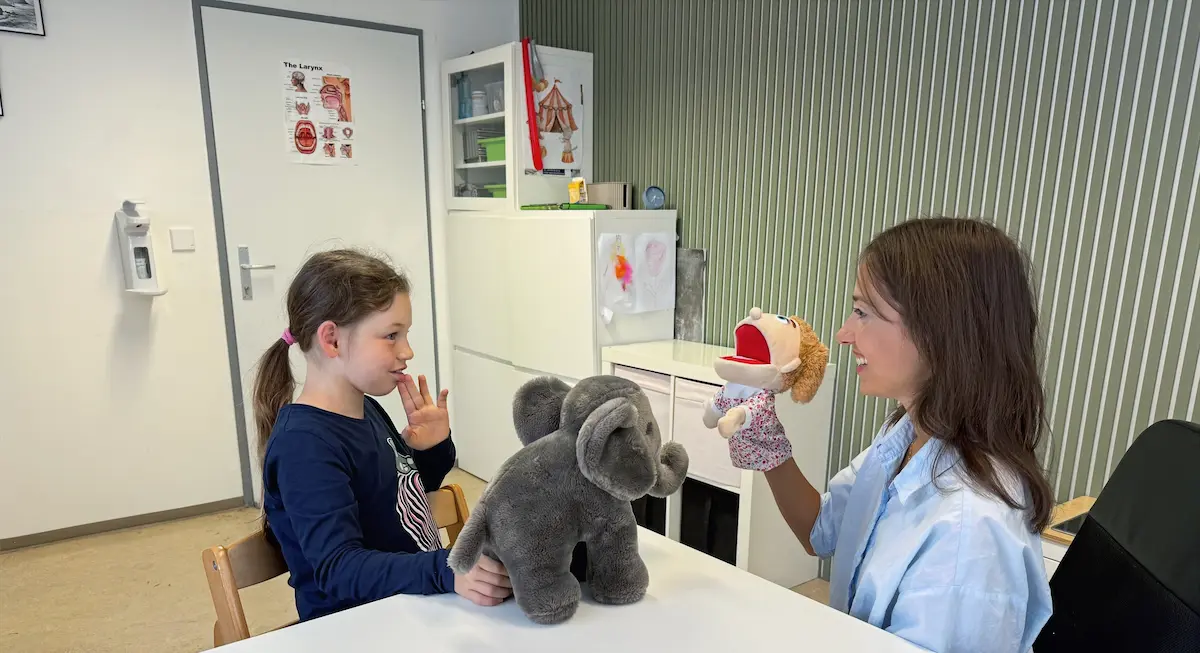
Spielbasierte Sprachtherapie
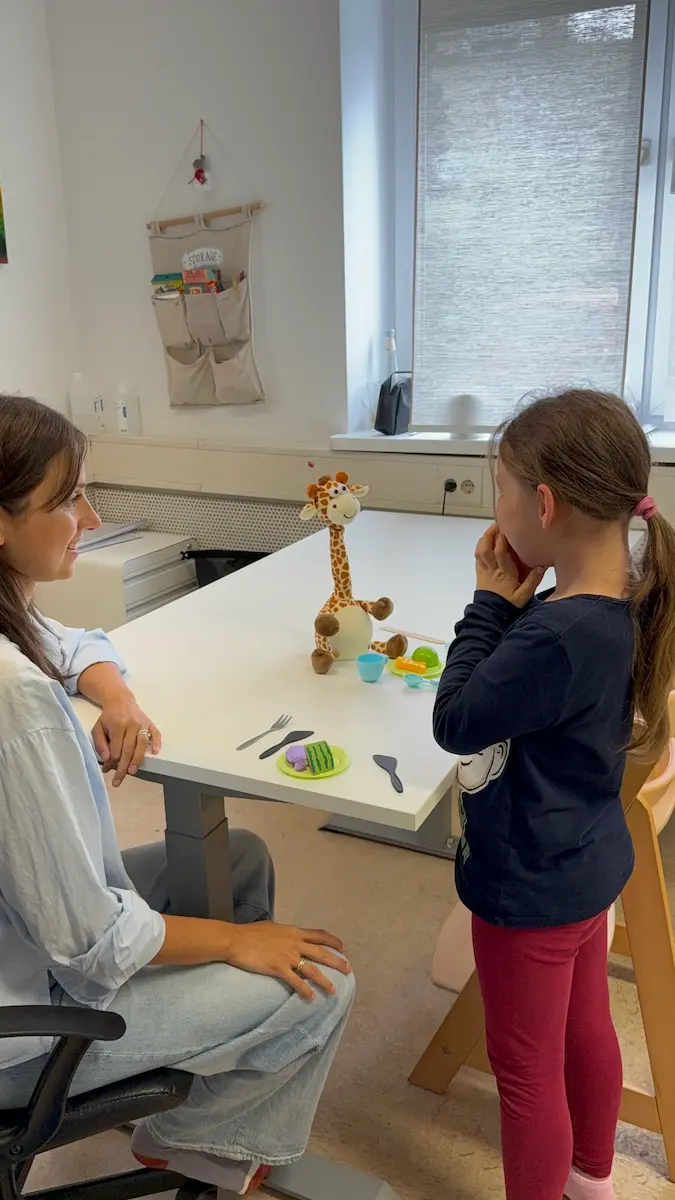
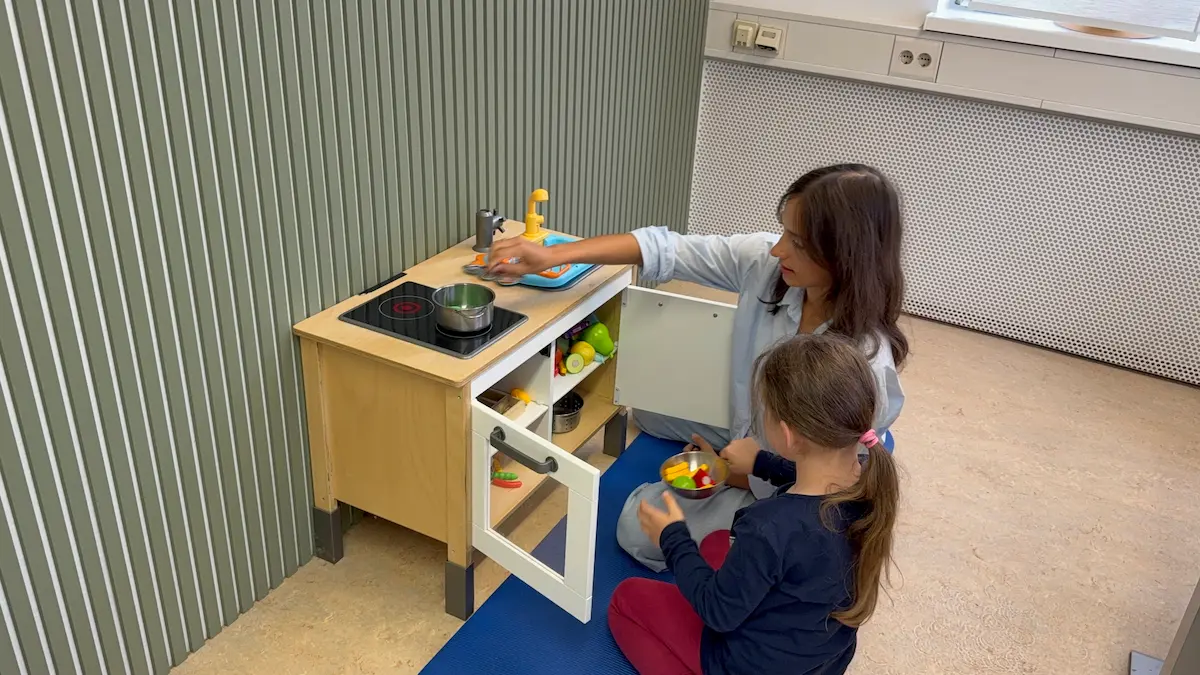
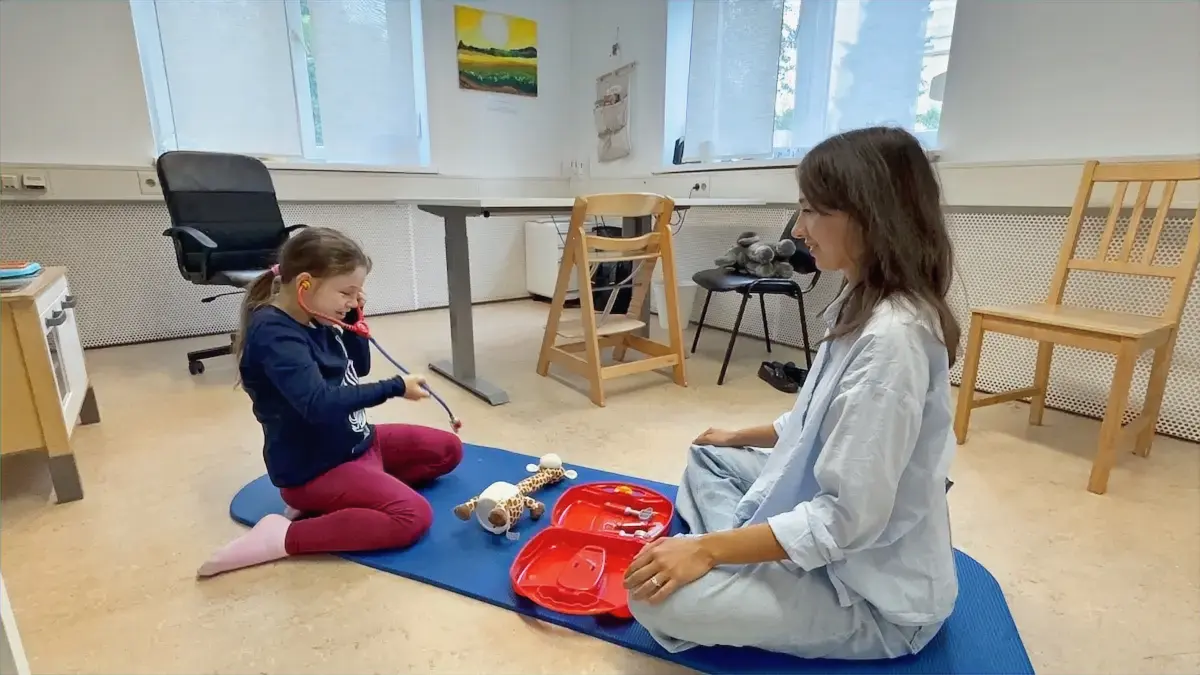
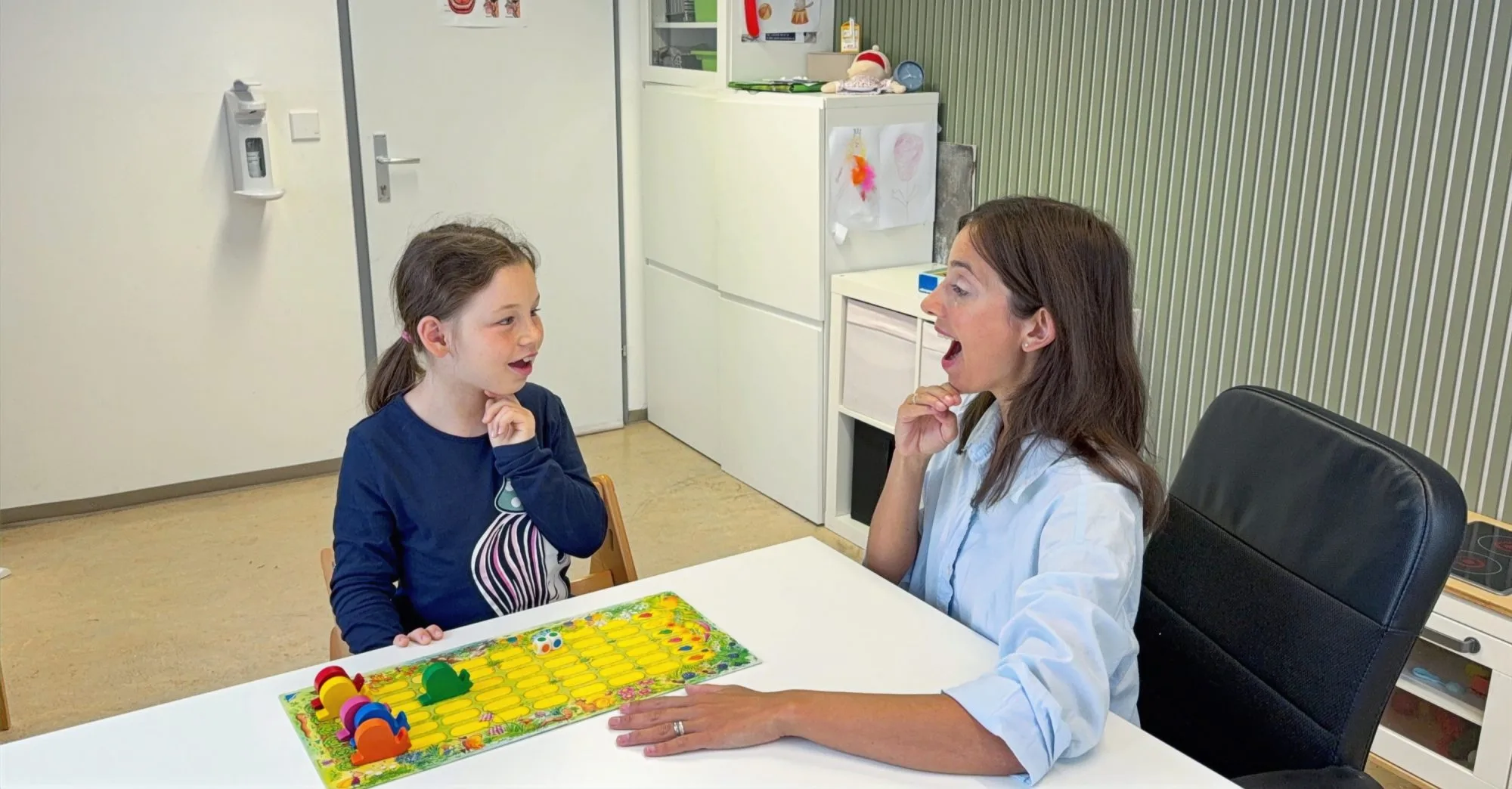
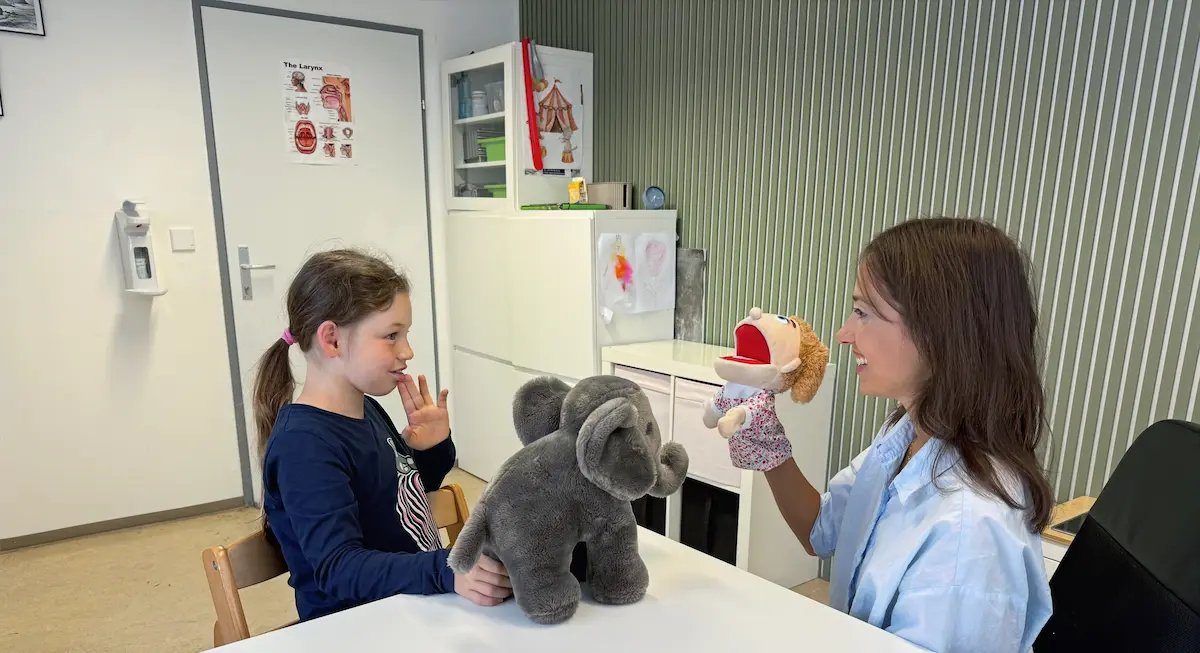
Sprache lernt man im Dialog – unsere Therapeutin Sarah Schrott BSc nutzt altersgerechte Spiele, Bilderbücher und interaktive Aufgaben um Sprache spielerisch zu fördern. Kinder sprechen am meisten wenn sie Spaß haben.
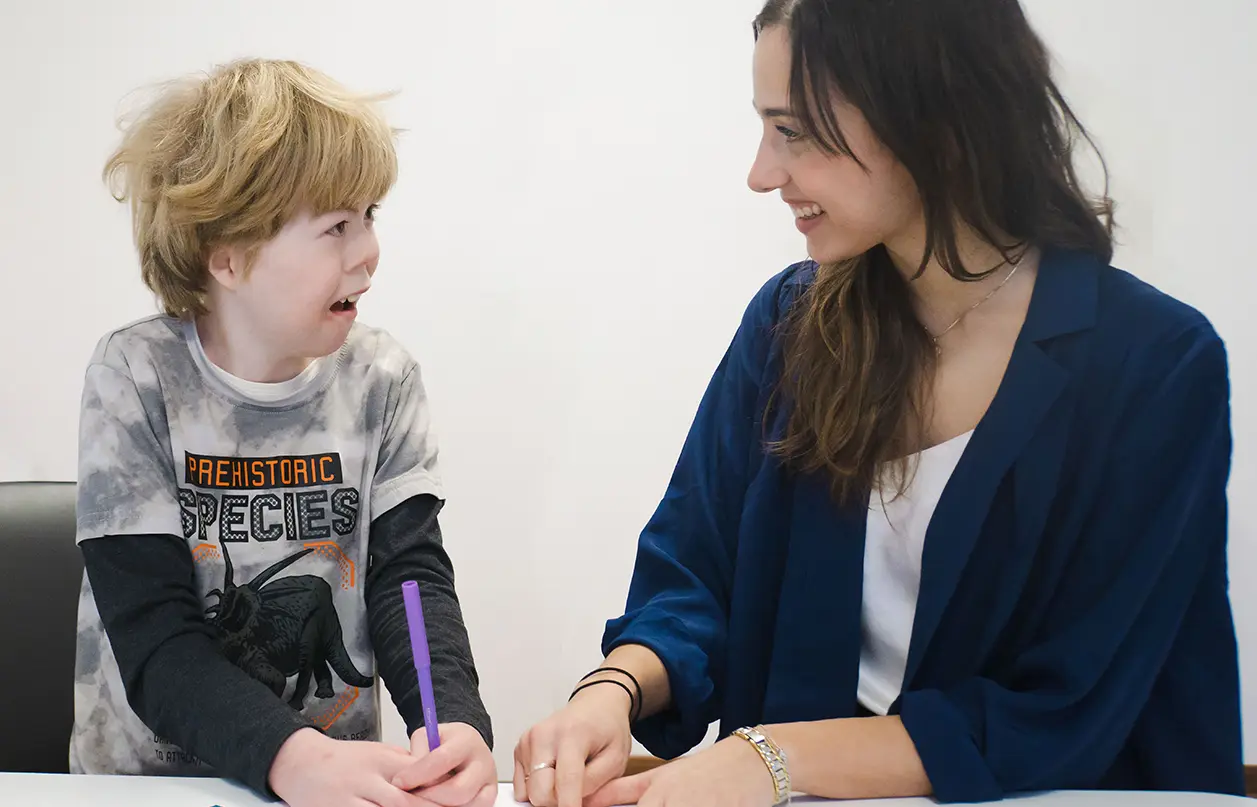
Unterstützte Kommunikation (AAC)
Wenn Sprache (noch) nicht möglich ist, entwickeln wir alternative Wege – Gebärden, Bildkarten, Kommunikationsapps. Damit Ihr Kind immer kommunizieren kann, auch wenn die Worte fehlen.
Specialised. Experienced. Here for you.
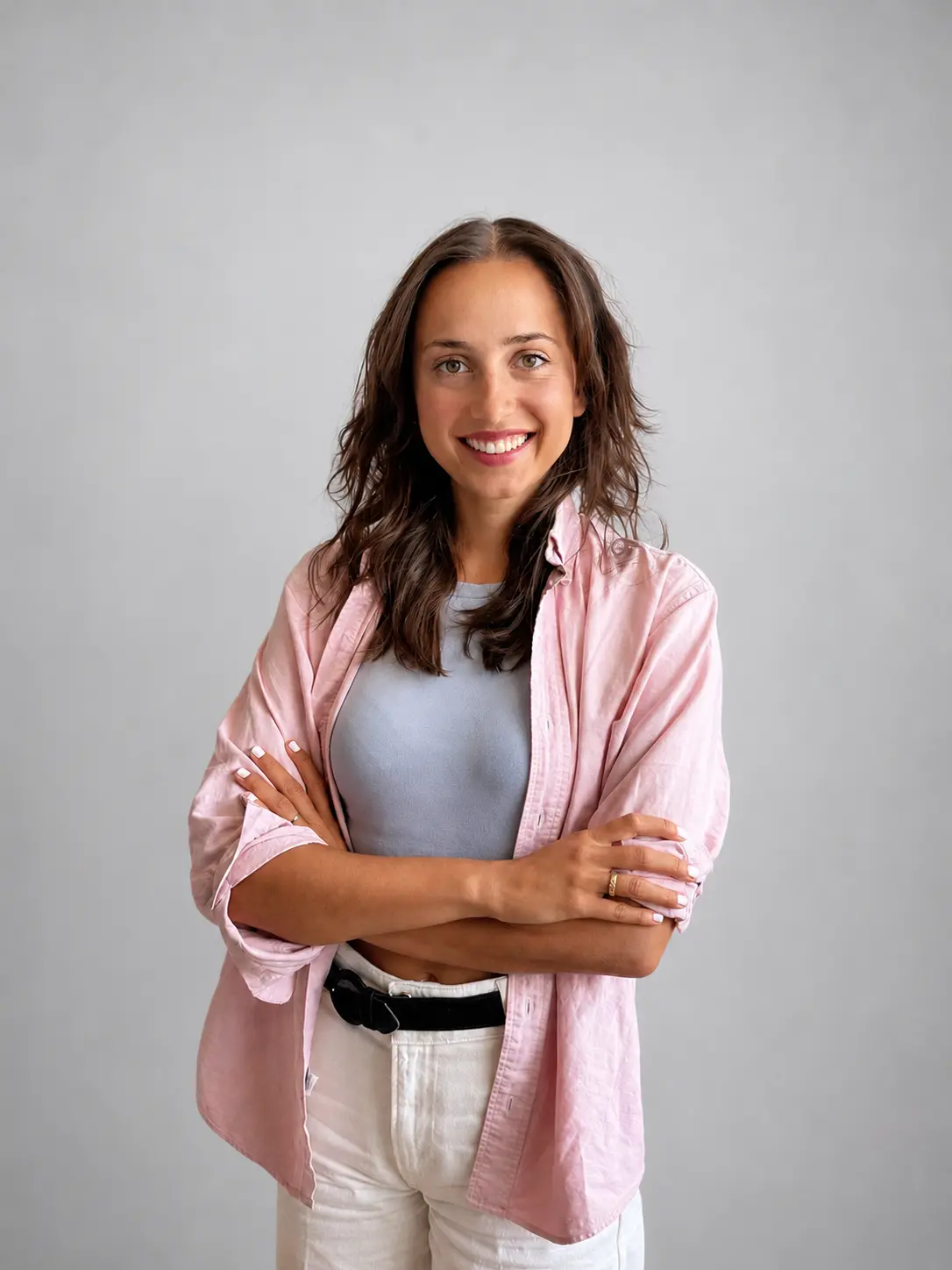
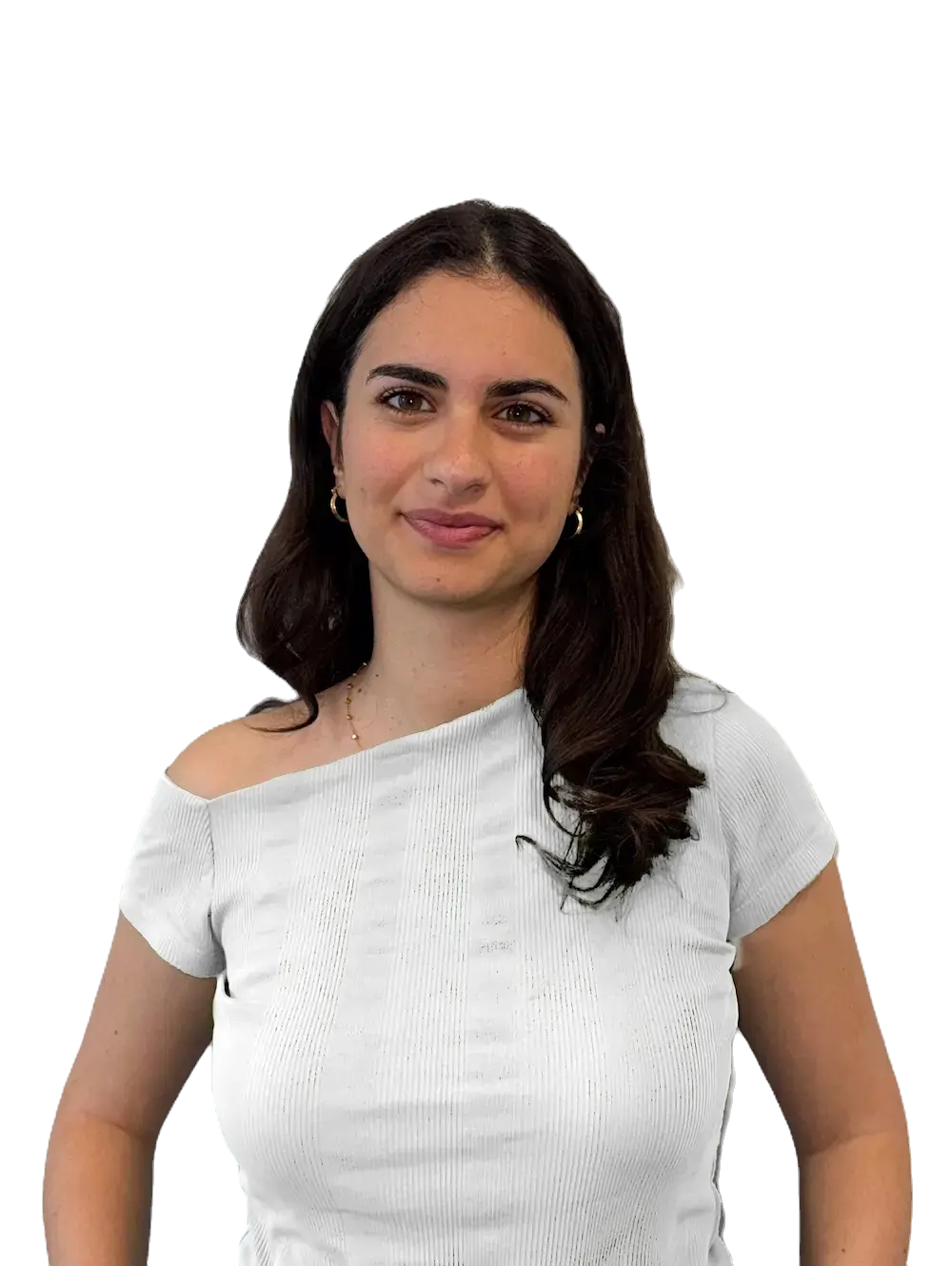
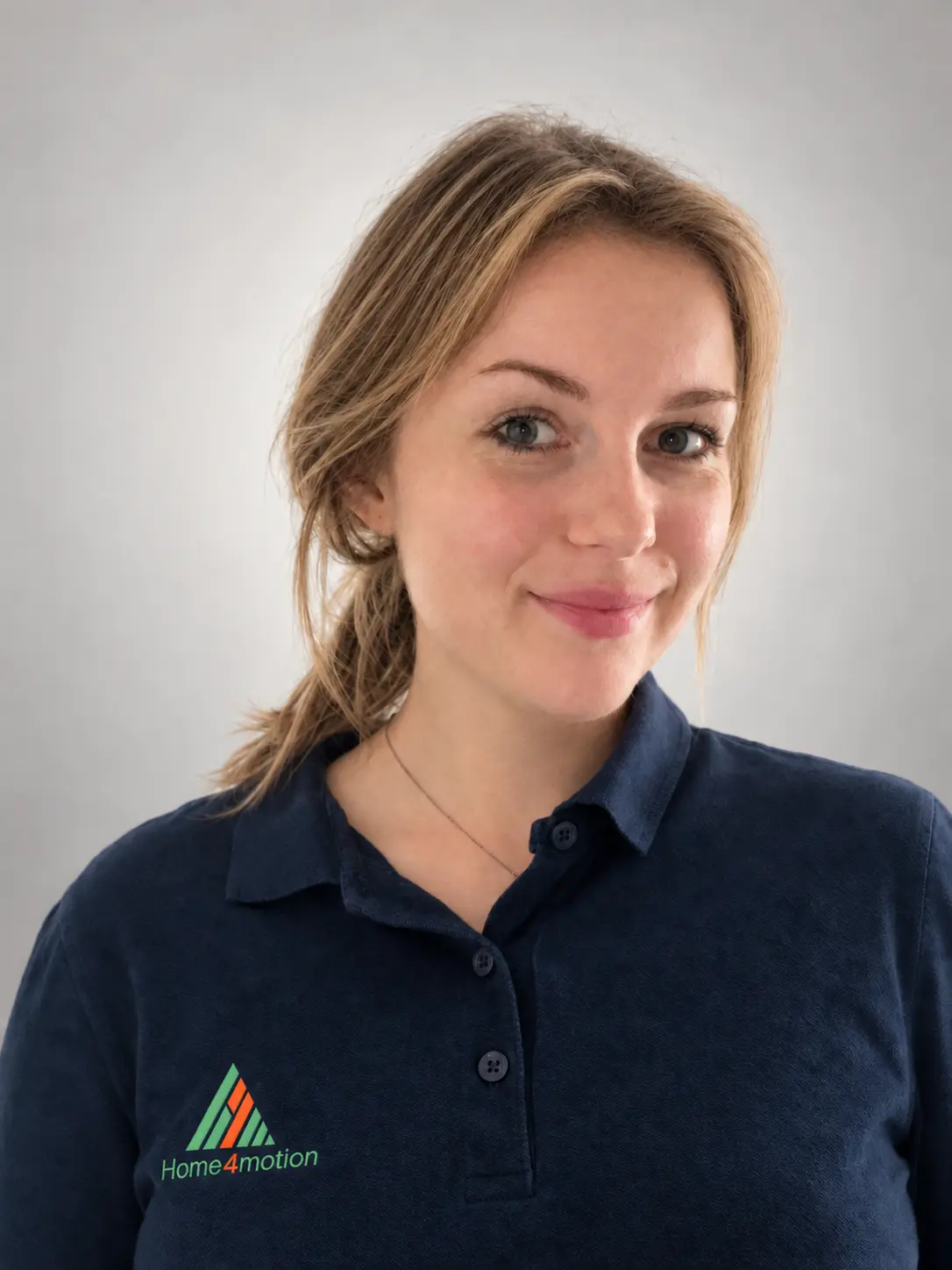
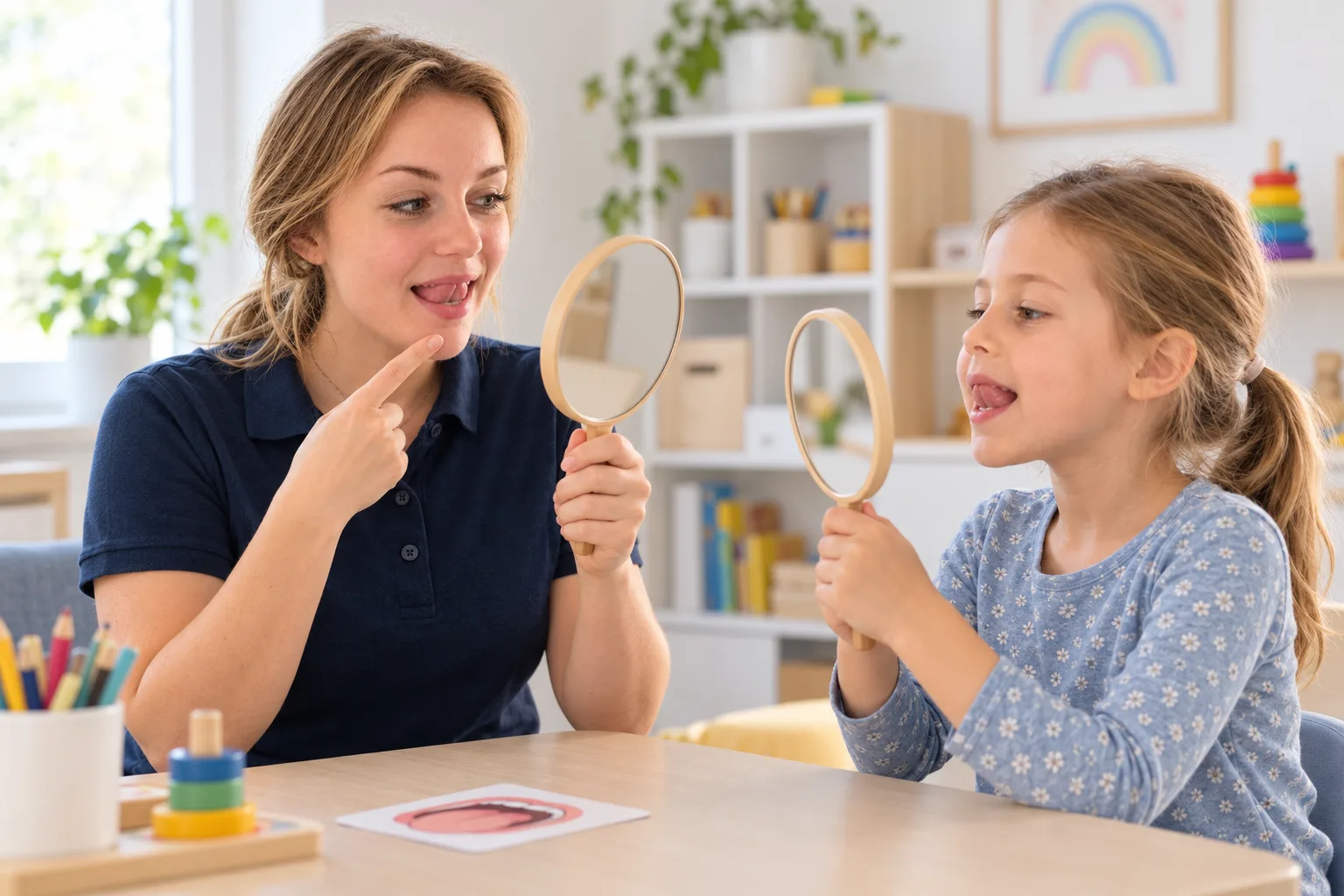
Sarah Schrott BSc and our speech and language therapy team accompany you with expertise and a great deal of patience. Language develops where children feel comfortable – while playing, telling stories and discovering. That is why a session with us rarely looks like “therapy”: we still play, but with a plan. You don't sit outside in the waiting area; you see what works and take it home with you. The goal is not the perfect exercise in the therapy room, but that your child can join in at kindergarten, at school and on the playground.
A step closer to the first word.
A free initial consultation — Sarah Schrott BSc will give you an honest picture.
Language is more than words
Language is connection, self-expression and taking part. Sarah Schrott BSc works with your child with patience, expertise and genuine delight in every bit of progress.
Information session
Get to know us — with no obligation, in person or by phone.
First appointment & assessment
Video analysis and movement tests, then an individual therapy plan.
Your personal therapy
Regular sessions, adjusted as you go, with a closing assessment.
See how we work
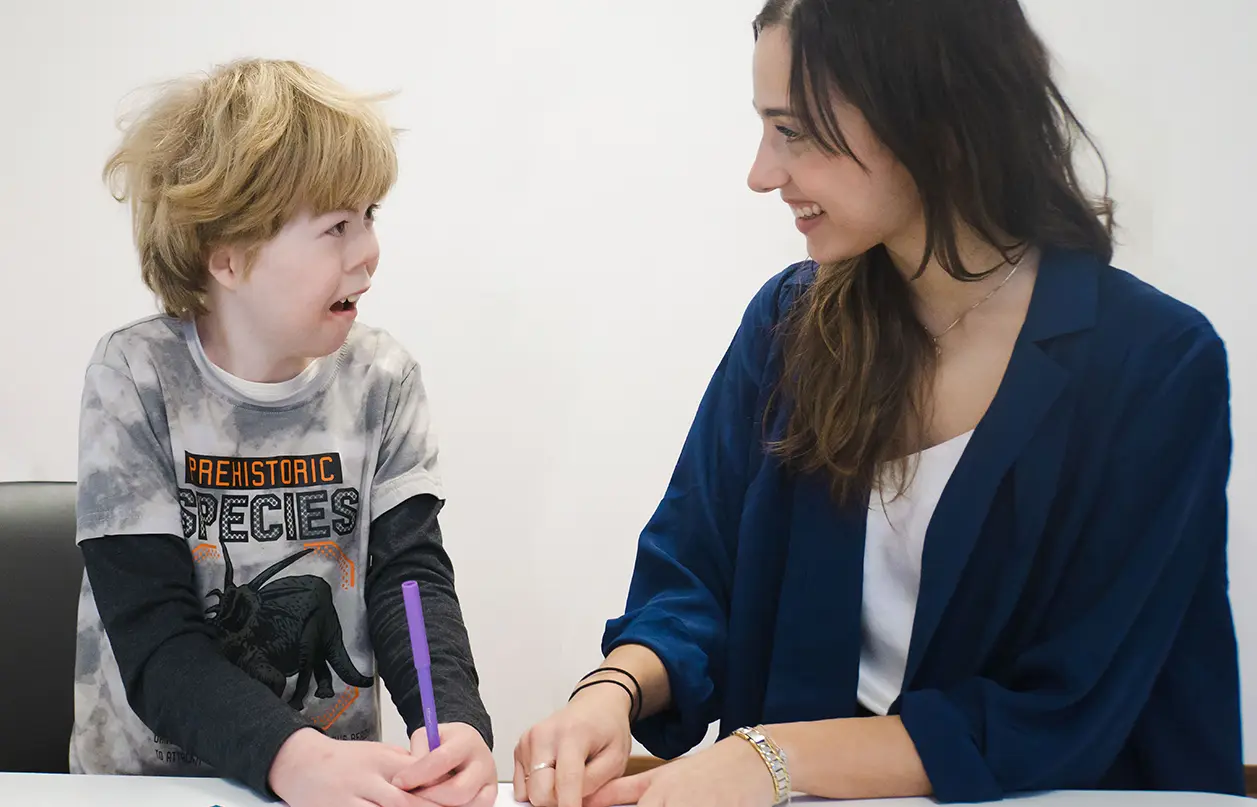
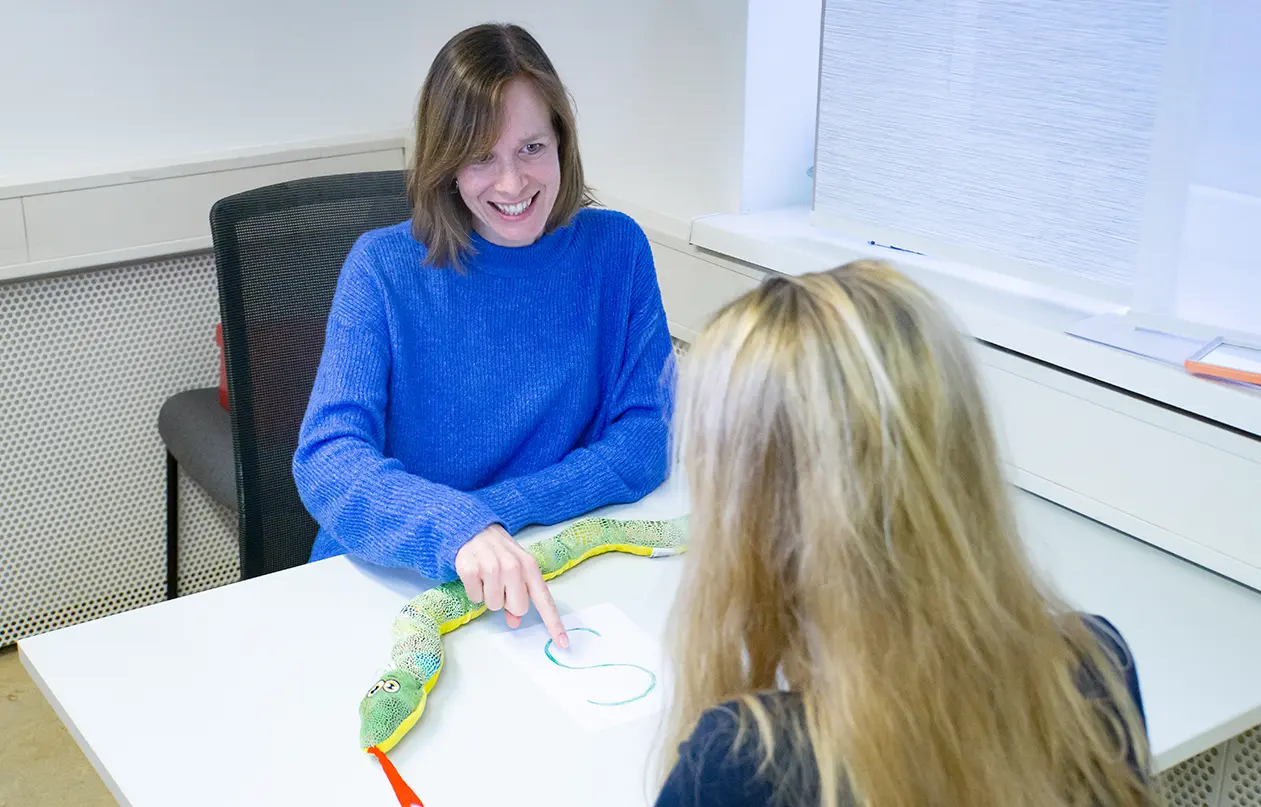
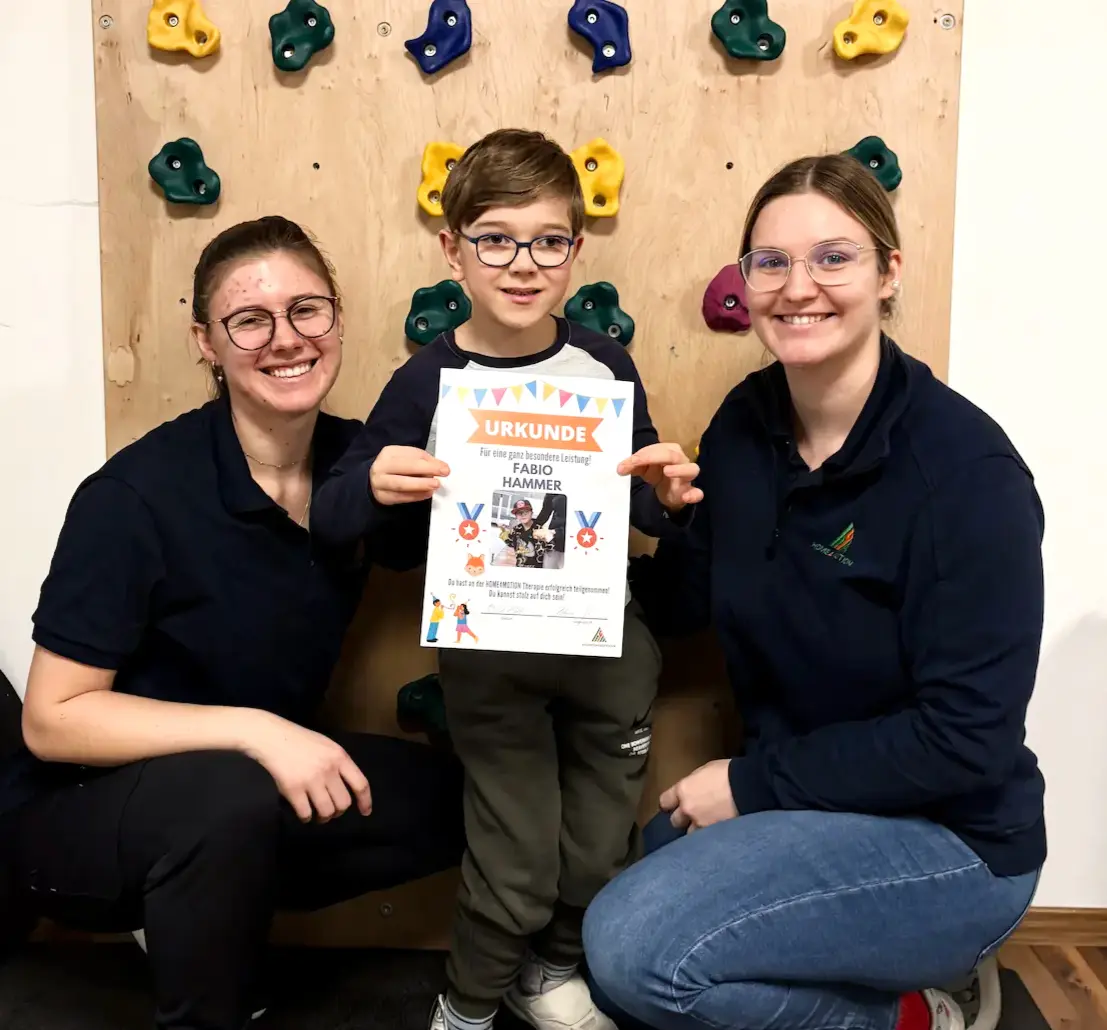
Real moments from our everyday work with children.
Was Sie wissen möchten
Do you have questions?
Get to know us in a free information session — in person, by phone or online.